Occlusion
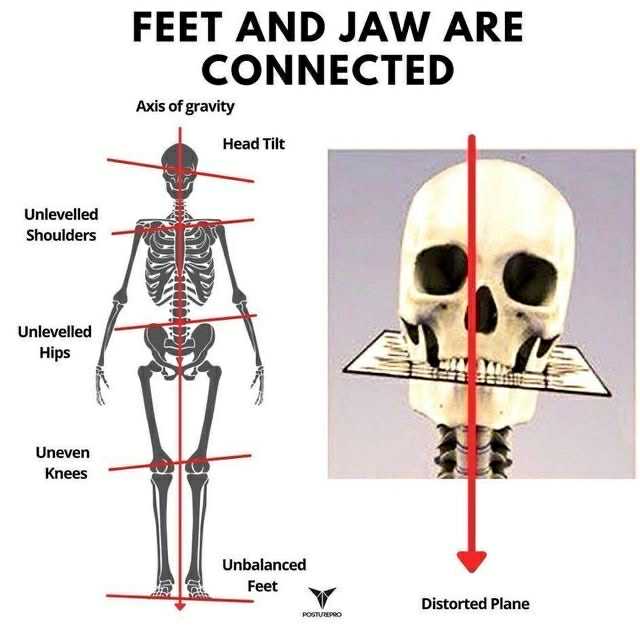
Teeth – that is, how the teeth fit together occlusion – is closely related to the health and balance of the entire body.
3. Muscle balance: The position of the jaw affects the chewing muscles, as well as the neck and shoulder muscles. If the teeth do not close correctly, some muscles may be constantly working, while others are underactive. This can cause muscle pain, asymmetric muscle tone or even single-body injuries (e.g. in athletes).
4. Psycho-emotional connection: A misaligned bite or constant clenching of the teeth can indicate internal tension or stress. We often “hold our breath” or “grit our teeth” when we experience emotional tension. Through this, the bite can also reflect a psychosomatic state, giving clues to internal imbalances.
5. Connections with other organs: According to traditional Chinese medicine, each tooth is connected to certain organs and energy channels (meridians).
For example: Upper front teeth – connected to the kidneys and bladder. Back molars – connected to the liver and gallbladder. Dental problems can be a reflection of the weakness of the corresponding organ.
How do you notice that your bite is affecting your body?
Constant headaches, neck and back pain for no apparent reason.
Asymmetry of the face or jaw.
Rapid tooth wear or a one-sided bite.
Balance problems or a strange gait.
Jaw clicking, grinding or pain.