Endometriosis – More Than Just a Uterine Disease
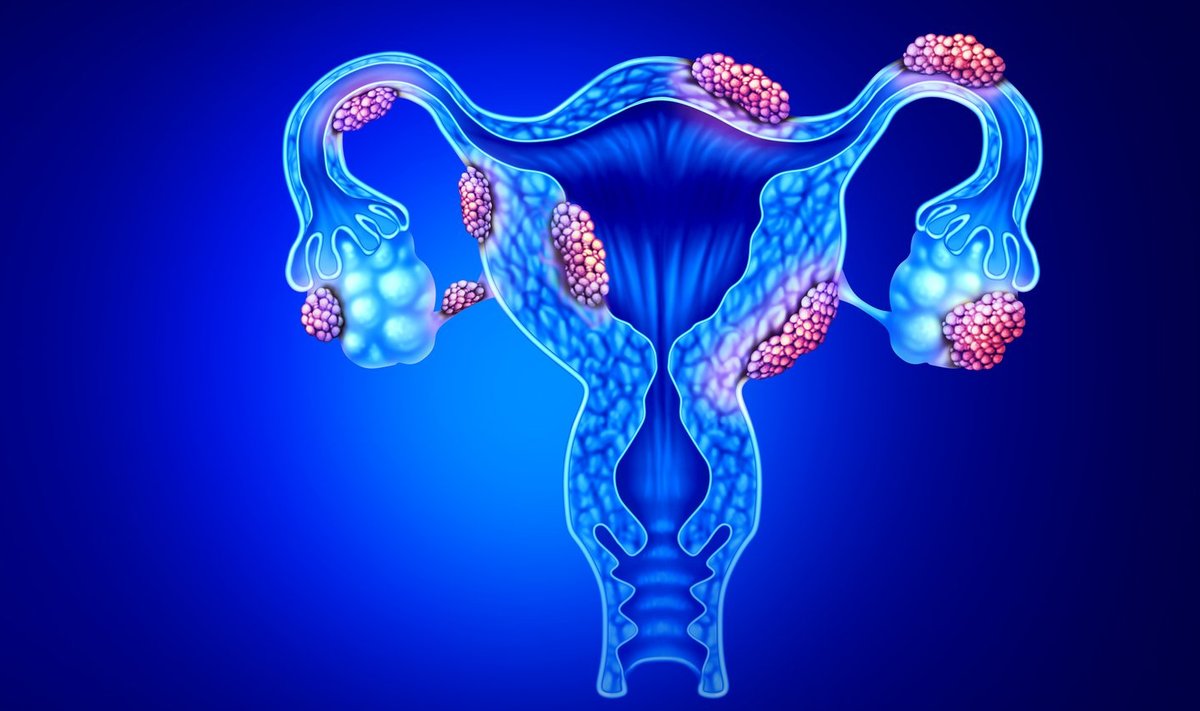
Endometriosis is often described as a condition limited to the uterus. In my experience, however, the picture is much broader. Its roots can be linked to an overburdened liver. Since the uterus cleanses the female body monthly by expelling blood, the system remains under strain: the liver and spleen may struggle to produce new blood while old blood continues to circulate.
It is commonly believed that endometriosis makes pregnancy impossible. Yet I have seen that this is not the only factor. Psychological patterns, subconscious beliefs, and inner attitudes also play a role. When a person begins to shift these patterns and supports the body’s cleansing—starting with liver detoxification and using osteopathic techniques designed for the organs—pregnancy can indeed be possible. This means that removing the uterus is not always necessary to relieve pain.
Surgery often brings new complications: digestive issues, venous problems in the legs, and other imbalances. Removing the uterus does not eliminate the underlying problem; instead, the issue may manifest elsewhere in the body. From my perspective, endometriosis is primarily a blood-related condition, not just a single-organ disease.
Hormonal System and the Body’s Wholeness
Our organs are deeply connected to hormones, and the hormonal system governs many vital functions. The body operates as a whole. When one mechanism of movement or function is disturbed, it does not remain isolated in a single place. The entire system becomes disrupted because there is no balance or regular cooperation between organs and systems. Endometriosis, like other health challenges, must be understood in this context of systemic imbalance.
Conclusion
Endometriosis and similar conditions are not simply problems of one organ but signs of imbalance across the whole body. True healing requires restoring harmony between systems rather than removing parts of the body.
If you are seeking help, choose a specialist who views the body as a whole and does not immediately suggest organ removal. Visiting D.O. osteopathic specialists can be a valuable step, as they use techniques that restore proper function between organs and systems, supporting the body’s natural ability to heal.
Occlusion
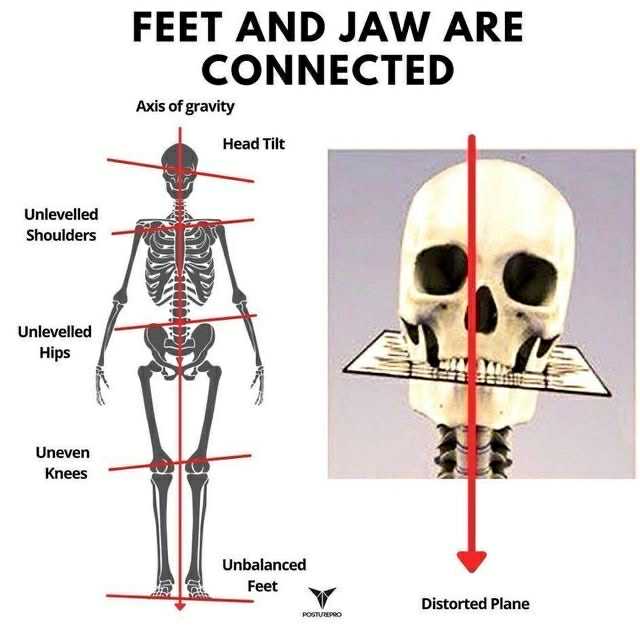
Teeth – that is, how the teeth fit together occlusion – is closely related to the health and balance of the entire body.
3. Muscle balance: The position of the jaw affects the chewing muscles, as well as the neck and shoulder muscles. If the teeth do not close correctly, some muscles may be constantly working, while others are underactive. This can cause muscle pain, asymmetric muscle tone or even single-body injuries (e.g. in athletes).
4. Psycho-emotional connection: A misaligned bite or constant clenching of the teeth can indicate internal tension or stress. We often “hold our breath” or “grit our teeth” when we experience emotional tension. Through this, the bite can also reflect a psychosomatic state, giving clues to internal imbalances.
5. Connections with other organs: According to traditional Chinese medicine, each tooth is connected to certain organs and energy channels (meridians).
For example: Upper front teeth – connected to the kidneys and bladder. Back molars – connected to the liver and gallbladder. Dental problems can be a reflection of the weakness of the corresponding organ.
How do you notice that your bite is affecting your body?
Constant headaches, neck and back pain for no apparent reason.
Asymmetry of the face or jaw.
Rapid tooth wear or a one-sided bite.
Balance problems or a strange gait.
Jaw clicking, grinding or pain.
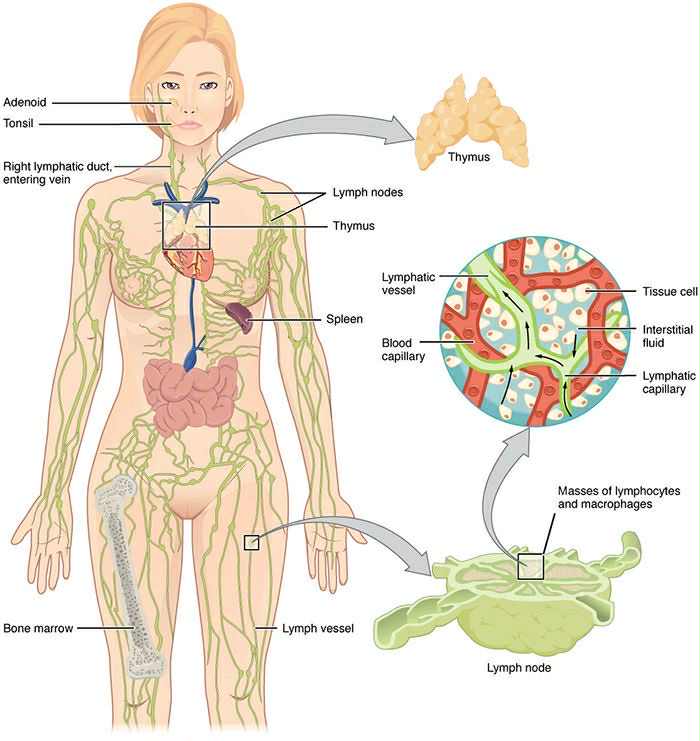
The lymphatic system
4. Movement-related pump. Unlike blood, which is pumped by the heart, lymph moves thanks to muscle activity and breathing. This means that immobility (long periods of sitting, little movement) slows down the flow of lymph and can cause a “feeling of heaviness” in the body.
5. Connection with the nervous and hormonal systems. Lymph is very sensitive to stress – chronic stress can inhibit lymph circulation and weaken the immune system. Some scientists see the lymphatic system as a kind of “cleaning network”, which also helps maintain hormone balance.
6. The brain has its own lymphatic system. Only recently was the so-called glymphatic system discovered – the brain’s “lymph network” that cleans waste products from the brain during sleep at night. This connection explains why poor sleep is associated with the risk of neurological diseases.
Heart
The human heart, what is heart pain and chest closure or closed body syndrome?
❤️Heart pain in osteopathy
In osteopathy, “heart pain” means more than just chest pain.
It refers to an energetic or somatic blockage in the heart area, which can occur: due to emotional trauma (feelings of grief, disappointment, abandonment), due to prolonged stress or control, due to physical posture (e.g., a collapsed chest), due to tension in the diaphragm, sternum, or ribs
How an osteopath perceives heart pain:
The osteopath feels that the tissues around the heart are stiff, “cold,” or pulsatile, even though the physical heart is healthy. Energy does not move freely through the connections of the chest, neck, and abdomen — especially through the breastbone (sternum) and diaphragm.
Such a person may: hold deep sadness or pain that is not expressed, feel pressure in the chest, difficulty breathing or “heaviness in the heart”, speak softly or shallowly, breathing only with the chest, stand or sit slightly forward “protecting the heart”
Osteopathic interpretation:
The heart is the center that connects the physical and emotional person. When the chest is tense, the “movement of the heart” is limited – both physically (circulation, breathing) and energetically feelings, joy of life. The osteopath tries to free the chest and diaphragm so that the life energy (prāna, qi) can move freely again.
2. Closed Body Syndrome
This is not an official medical diagnosis, but a metaphor used in osteopathy and body therapies for a person whose body is physically and energetically “closed”.
Symptoms: The chest, pelvis and diaphragm are tense – the body seems “locked”, Breathing is short and shallow, Movement is stiff, controlled, not flowing, Often cold hands and feet (circulation restrictions), Facial expression is neutral or controlled, emotions are rarely expressed, There is no “flow” from the body – when touched, the body feels dense, not alive
Psychosomatic content:
It usually arises from prolonged self-protection or emotional closure.
The body “locks up” to not feel pain, but at the same time it also locks out joy, lightness and contact.
An osteopath calls this the “closure reaction” – the body’s protection from an experience that is too strong.
Osteopathic approach:
The work begins by restoring a sense of security in the body – with a touch that is warm, slow, permissive.
The goal is not to “force open”, but to allow the body to open itself.
The work often takes place in the chest, neck, diaphragm and sacrum.
Patients may start breathing deeply, shivering or even crying during the session – a sign that the energy is starting to move again.