Coures
Coures, programs and learning environment
Coures, programs and learning environment
Osteopathic Occlusion Program – 4-day body jaw integration
LYMPH - Body cleaning system When I talk about lymphatic circulation, I talk about the body's internal flows, recovery capacity, and immune system dynamics.
Elements in our body Earth, Fire, Water, Metal, Air, Wood
one day coures
Find out the dominant elements in the human body within yourself and better understand yourself. You will learn based on your body type, behavior, language, skin, digestion and other physical and psychological characteristics.
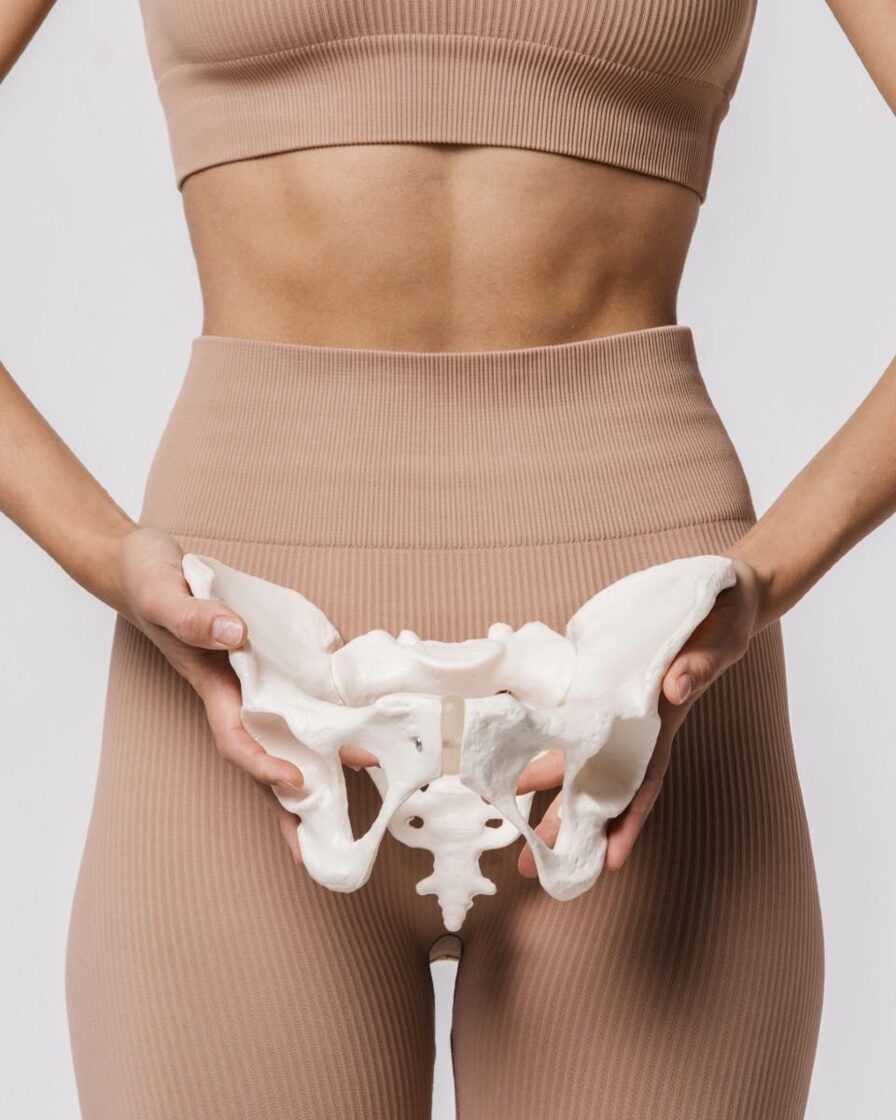
Pelvic coures in osteopathy, the body is always viewed as a whole, so the differences in the pelvis between men and women are interpreted not only anatomically, but also functionally - how it affects movement, the work of internal organs, posture and dynamic forces within the body.
Curriculum – Continuing Education in Osteopathy
1. General Provisions
Course Name: Continuing Education in Osteopathy
Course Group (EHIS): Health, Sports and Well-being → Alternative Medicine /
Continuing Education in Health Care
Type of Study: Continuing Education for Adults
Form of Study: Sessional Study / Full-time Study
Language of Study: Estonian / English
2. Learning Objective
To provide students with basic knowledge and skills in osteopathy that enable them to understand
human anatomy, physiology and the basics of manual therapy and prepare them for
further study in advanced osteopathy courses.
3. Learning Outcomes
The student will:
1. Describes the basics of human anatomy and physiology.
2. Understands the basics of the philosophy and principles of osteopathy.
3. Safely applies simple palpation and mobilization techniques.
4. Distinguishes osteopathy as a holistic approach from conventional therapy and massage.
5. Knows the principles of work ethics, hygiene and customer communication.
4. Target group
Healthcare and welfare workers (e.g. physiotherapists, masseurs, nurses).
People who want knowledge in the field of osteopathy.
5. Study modul and duration
Volume: according to the training module, i.e. 10 study cycles per year
1000-1500 academic hours (including classroom work, independent work and internship), divided into 3-4 academic years.
The study is modular - on average 8-10 study sessions per year (each 3-5 days)
6. Study content
Study content (main areas):
Principles and philosophy of osteopathy
Anatomy and physiology at an advanced level
Craniosacral system and its assessment
Visceral osteopathy (movement and influence of internal organs)
Somatic dysfunction and its assessment
Neurological and vascular integration
Manual techniques: muscle energy, fascia technique, cranial and visceral work
Psychosomatic connections and supporting body awareness
Clinical practice and case studies
Professional ethics and patient safety
7. Description of the learning environment
The training takes place in the training center's classrooms, which are equipped with massage tables,
anatomical models, palpation equipment, audio-visual equipment
for theoretical training.
8. Teaching methods
Lectures and discussions
Demonstrations and practical exercises
Group work and supervision
9. Assessment and graduation requirements
Assessment methods: practical exercises, theory tests, active participation.
Graduation requirement: attendance at least 75% of contact hours, successful completion of practical work.
The graduate will be issued a certificate (or proof of participation).
10. Requirements for teachers
Teachers must have a higher education in medicine or healthcare and/or
An international diploma in osteopathy (D.O.).
At least 3 years of practical experience as an osteopath or manual therapist.
11. Tuition
Tuition fees are on average €250–400 per study session.
The average annual cost is €2,500–4,000.
The estimated tuition fee for the entire study period is around €8,000–12,000.
Tuition includes:
Theoretical and practical training,supervised clinical practices,
Study materials and workbooks.
Additional costs:
additional tools or anatomical models
individual mentoring or supervision,
thesis supervision and defense fee.
12. Foundations of quality assurance
Feedback is collected from participants.
The curriculum and teaching organization are evaluated once a year.
Teachers participate in professional in-service teaching.
Osteopathy is a journey – not only towards knowledge, but also towards deepening perceptions and presence.
When learning osteopathy, you learn, above all, to listen to the body – both the client’s and your own.
During the course of learning, it is important to:
come to each coures day in an open and focused state of mind, observe your own physical and emotional reactions, as they are part of the learning process,
practice the quality of touch – gentle, precise and non-invasive contact is the basis of osteopathy,
give yourself time – a deeper understanding of how the body works is developed in silence, practice and repetition,
respect for the student and the teacher – every body’s story is unique.
Studying osteopathy requires physical presence, empathy, and inner balance.
It is not just a craft or technique, but a practice that combines science and perception.
As you study, you learn to notice – how the body moves, breathes, and restores its own balance.
Your role as a student is to create your own presence where this restoration can occur.
Cart is empty.